
Nobody jumps for joy when we tell them they have a cavity. We get it. Life's busy. You've got work, family, and a million other things competing for your attention.…
Read MoreAug
17
Why Your “Small” Cavity Shouldn’t Wait

Cosmetic Dentistry
Discover the power of a confident smile with our top-rated cosmetic dentistry services. From teeth bonding to porcelain veneers and everything in between, the power of a confident smile is right around the corner.
Restorative Dentistry
Are you searching for a dentist that can cure all your dental problems? Our skilled team of dentists offer a range of treatments including prosthodontics, gum disease treatments, and TMJ treatment. Trust us to provide exceptional results with our restorative dental services.
Preventative Dental Care
We will help you take control of your oral health with our preventive dental care services. Our dentists and hygienists put your well-being first to help you maintain a healthy smile. visit us for regular check-ups and dental cleanings.
Implant Dentistry
Replace your missing and lost teeth at our modern implant dentistry. We specialize in providing reliable and long-lasting dental implants. Enjoy the benefits of a beautiful and functional smile in Chicago. Book your implant consultation today!
Botox
You can get therapeutic botox for TMJ and facial pain, headaches, and esthetic botox for fine lines and wrinkles. Botox at the dentist is possible!
Invisalign for Adults
Achieve perfect teeth alignment effortlessly with the clear aligner system trusted by millions worldwide. Straighten your teeth discreetly, comfortably, and without anyone even noticing!

A dental emergency can cause pain and discomfort. It can affect your ability to eat, drink, and speak normally. Urgent dental care will support the best possible treatment outcomes.
Our downtown Chicago dental office provides same-day care for dental emergencies.
If you are experiencing a dental emergency such as a knocked-out or broken tooth, contact us for a same-day appointment with Dr. Brand.

Premier Dentistry at Millennium Park is your dental office in Downtown Chicago for the complete care of your smile. In addition to routine preventive dentistry, we offer full dental implant services under one roof!
Dr. Nechama Brand takes a comprehensive approach to complex concerns, including missing teeth. Premier Dentistry is your resource for restoring, maintaining, and enhancing your natural smile.
We also provide full-mouth rehabilitation and cosmetic dental services that include teeth whitening treatments and porcelain veneers.
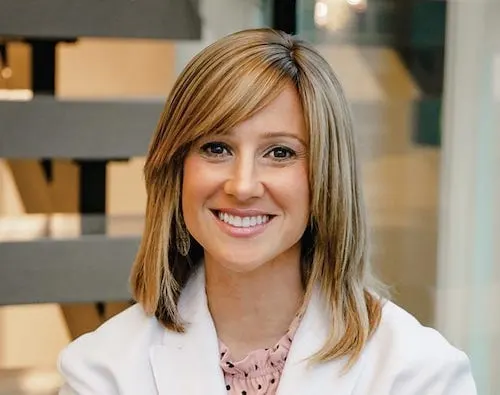
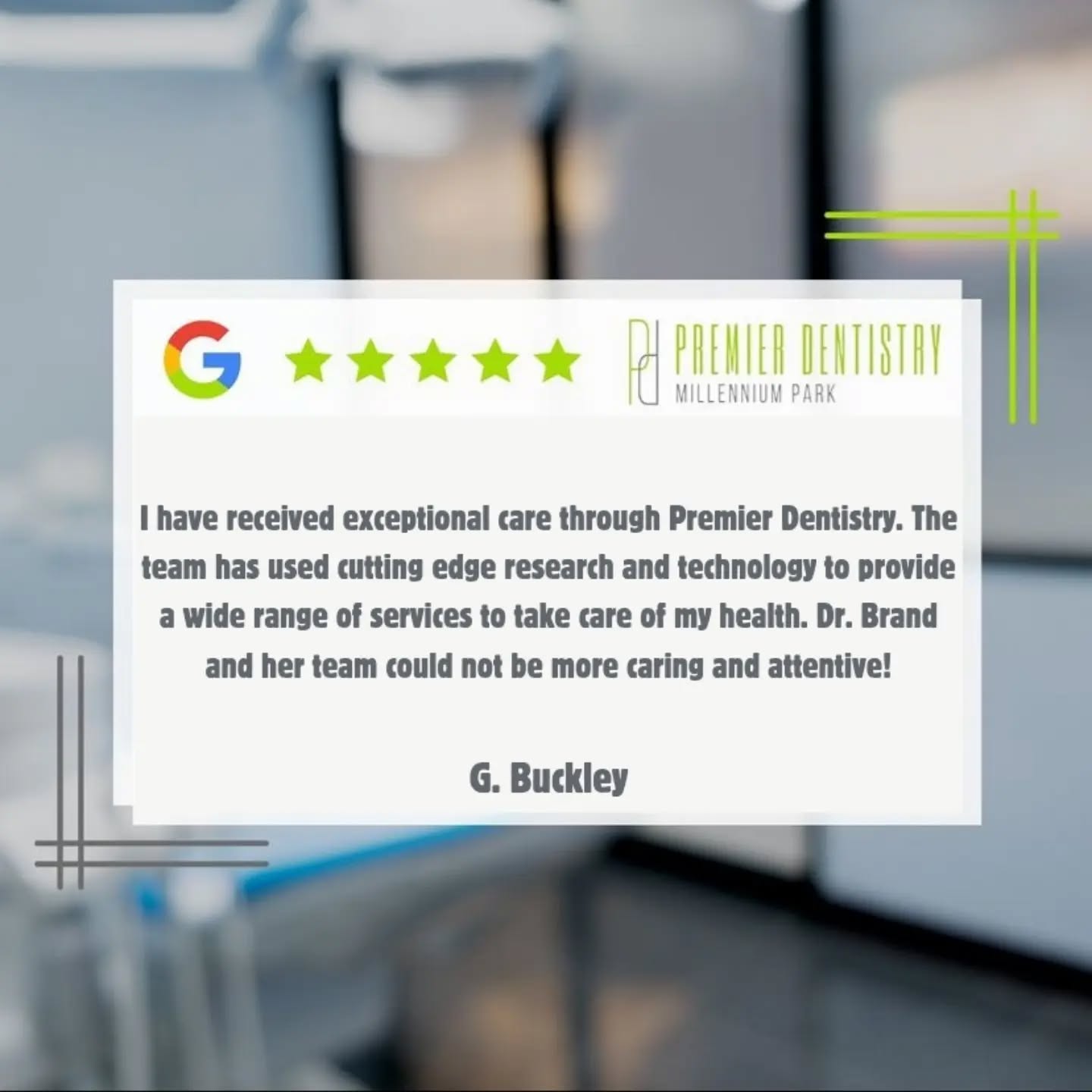
Nechama Brand, DMD, is a general and cosmetic dentist in Chicago. With expert training and 20 years of experience, Dr. Brand delivers outstanding clinical dentistry combined with a phenomenal patient experience.
Dr. Brand’s patients rave about her ability to explain their treatment with clarity and understanding. With personalized attention, each patient shines with a smile throughout their appointment.
"My wife says I look better than I did before! I highly recommend them."
Watch Video"This has been the best experience of any dentist I have ever been to."
Watch Video
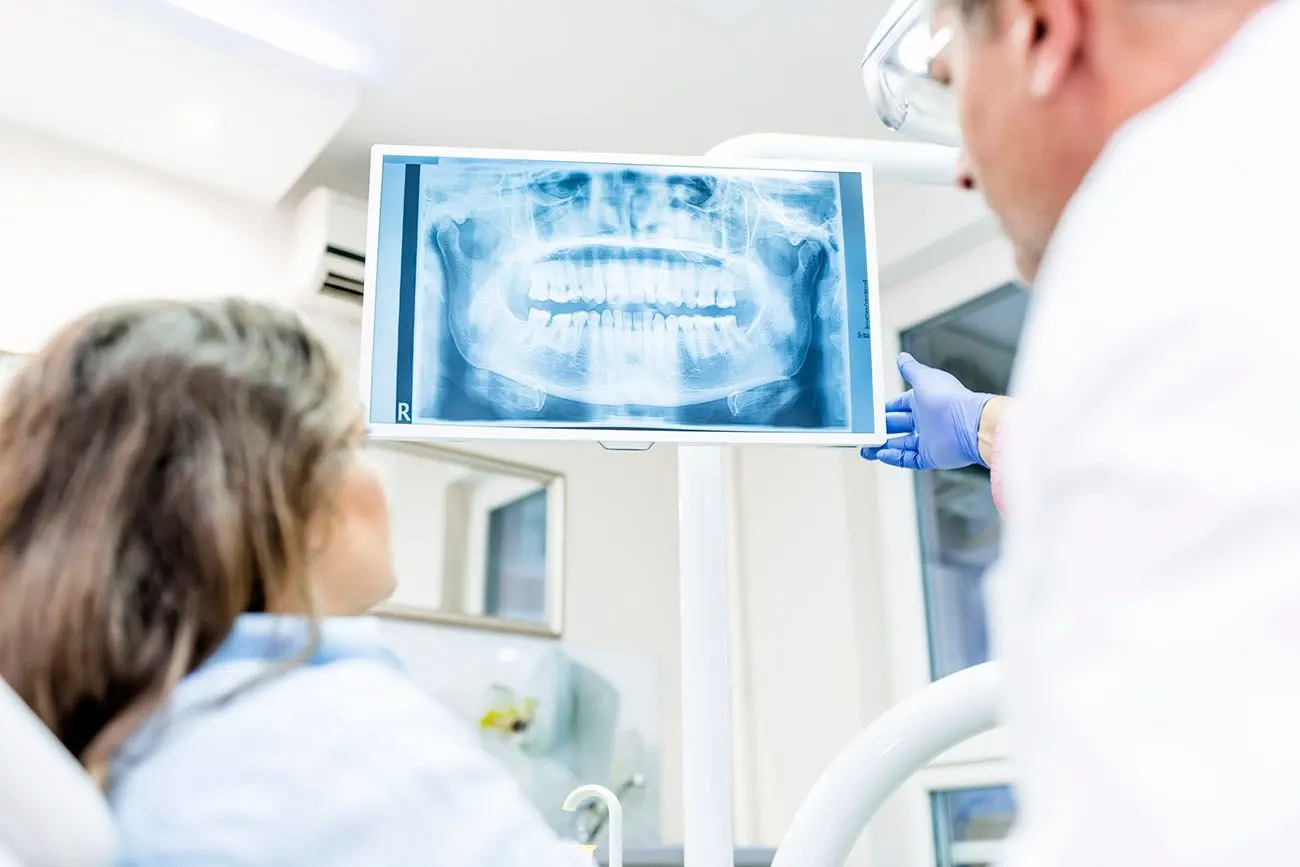
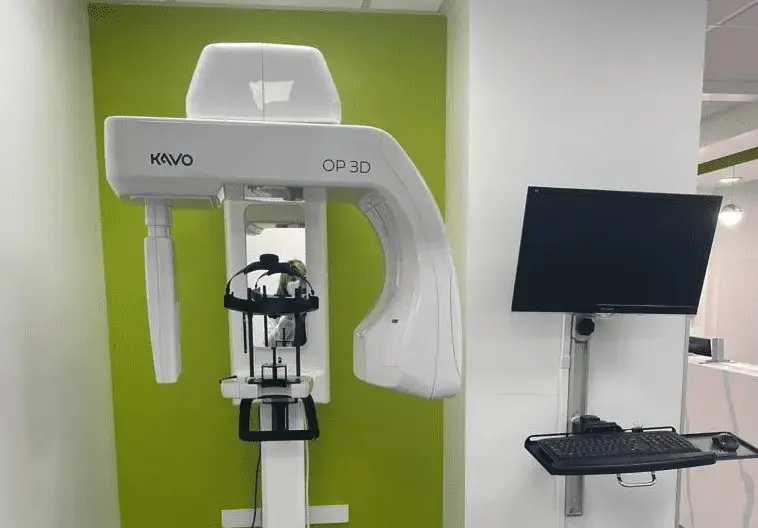
Premier Dentistry at Millennium Park is a newly-renovated dental office in Chicago. We use modern tools and software to provide high-quality treatments and seamless results.
We use our digital technology for oral cancer screenings and more.
From titanium to zirconia, explore all types of dental implants at Premier Dentistry at Millennium Park. Our dental implant specialist will help you find the perfect missing teeth replacement option for you. A quick consultation can be life-changing!

Premier Dentistry at Millennium Park is your local dental office in Downtown Chicago. Our dental care team can meet all of your oral health needs under one roof with compassionate care. Our dental office near you provides the highest standard of dental care. We provide complete dental services, from routine dental cleanings to gum disease prevention and repairing and replacing teeth.
Visit our experienced cosmetic dentists for the most relevant cosmetic treatments for your smile. You will get a boost to your self-esteem after every cosmetic procedure you receive at our Chicago dental practice.
Follow Us On Instagram
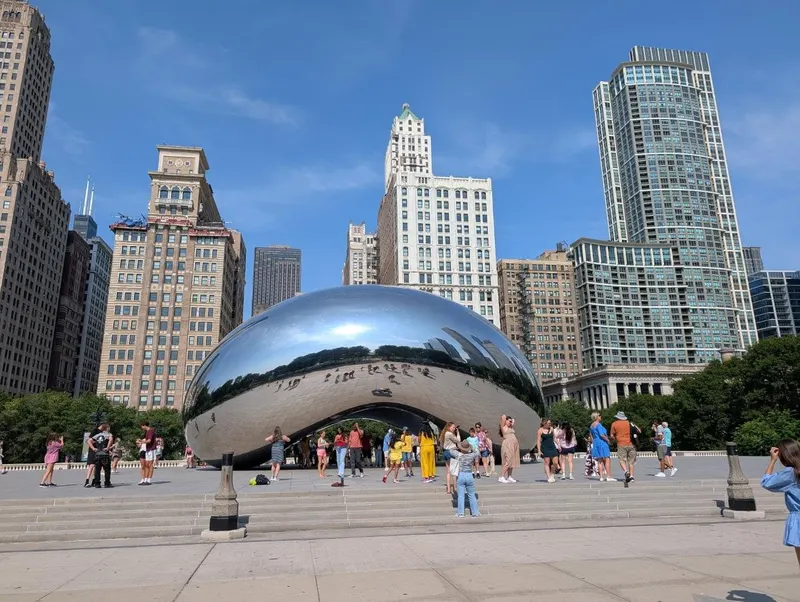
Enjoy the gorgeous view combined with a fantastic...
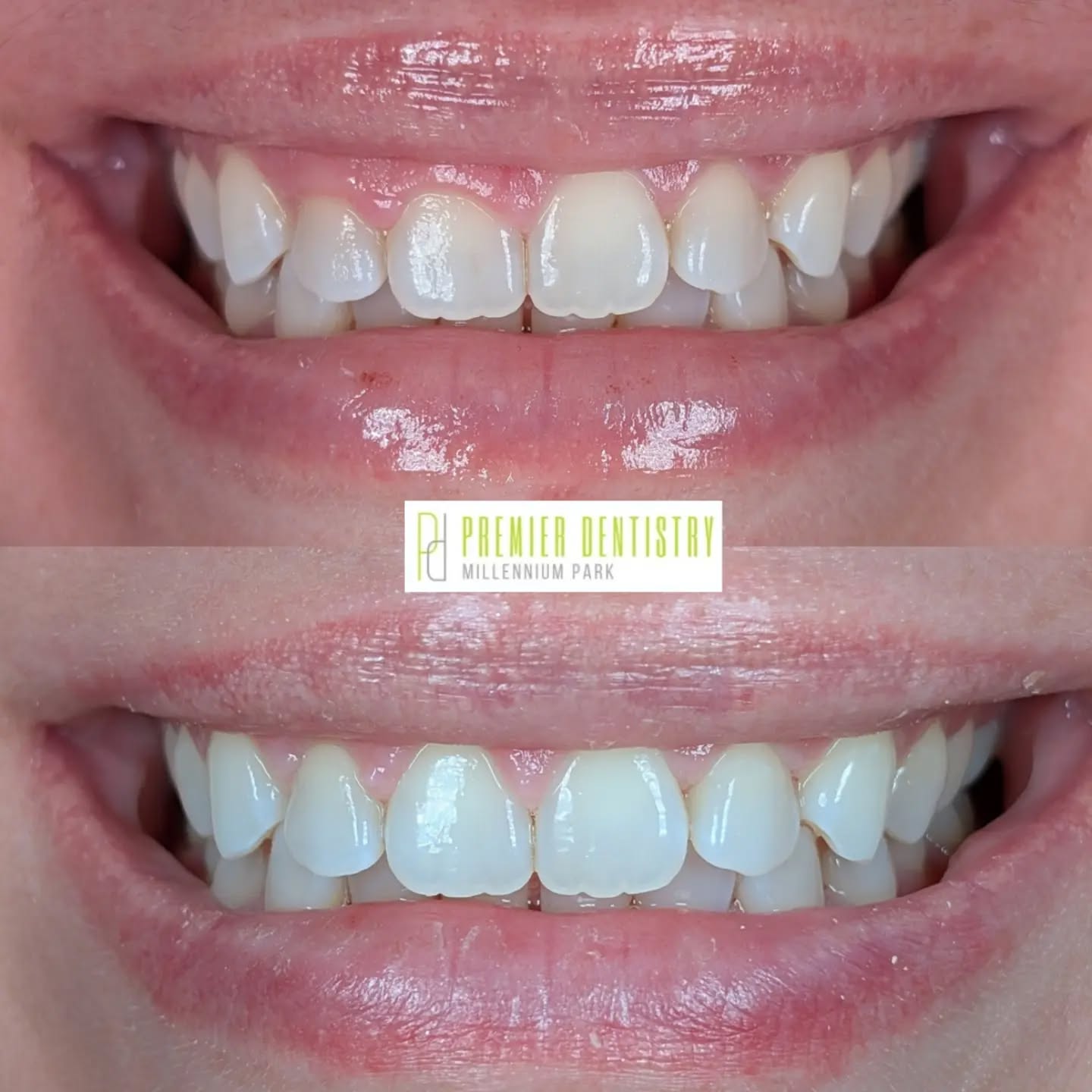
Look what a transformation the laser treatment to...
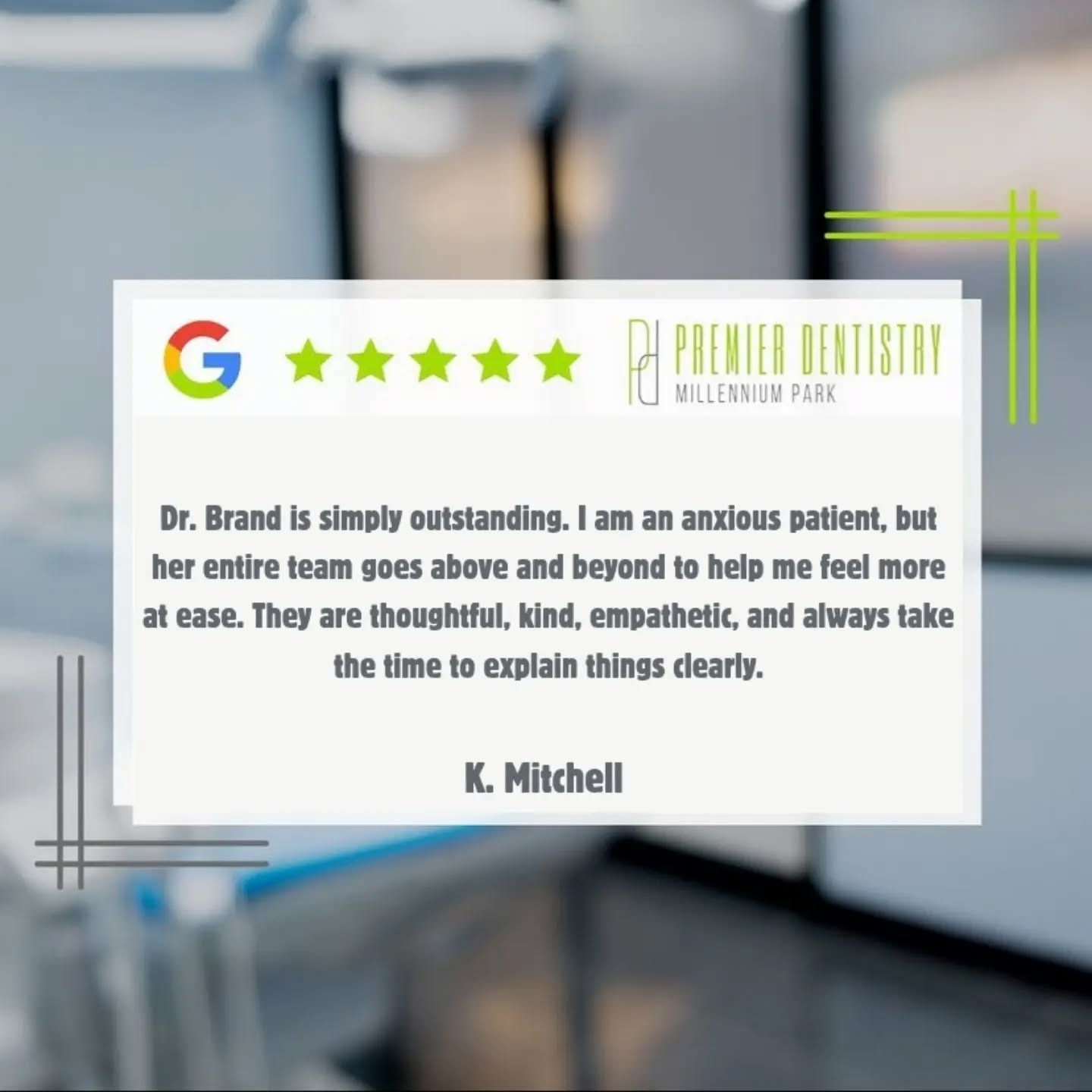
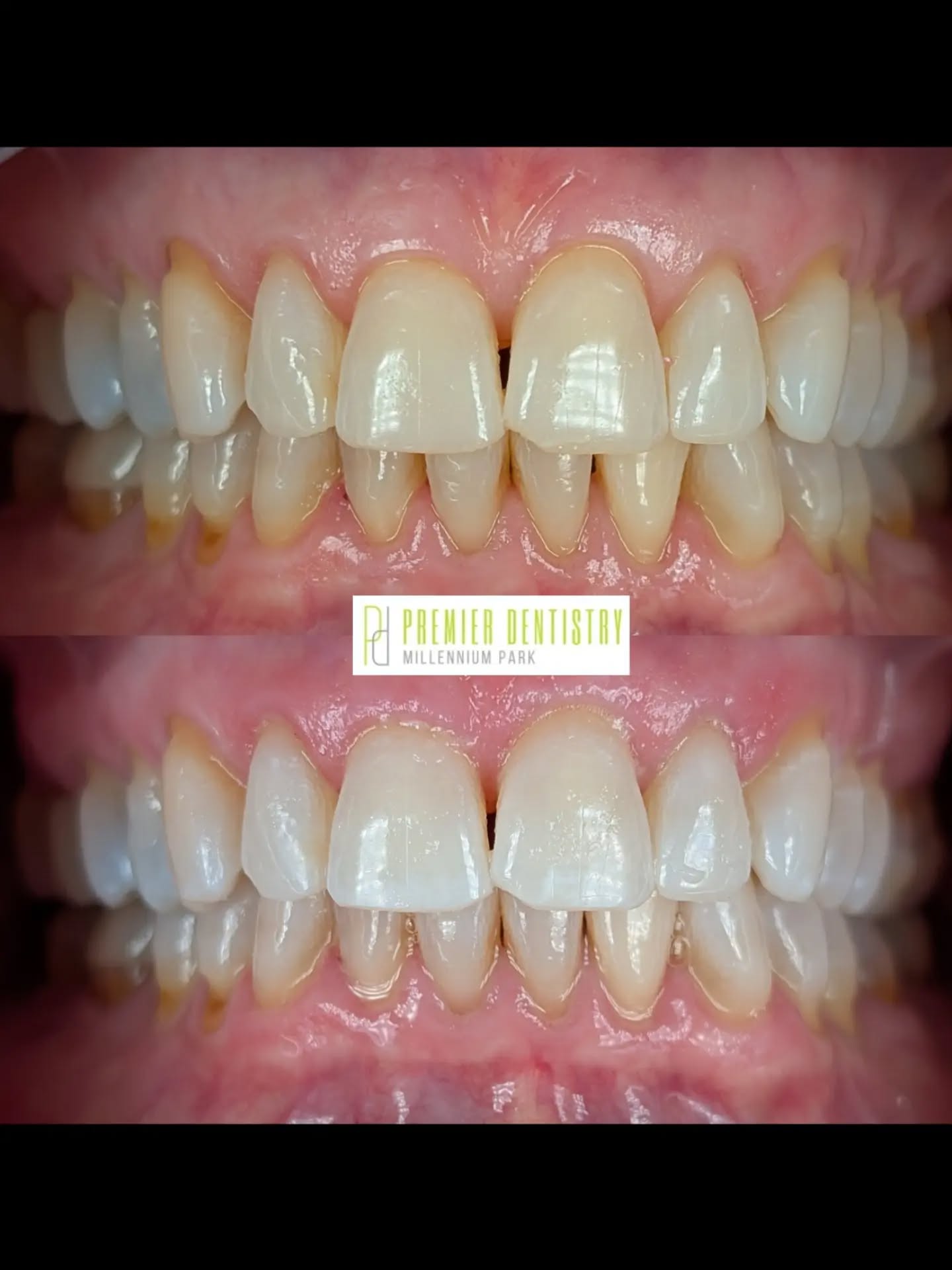
Love this whitening result. This is our 1 hour in...
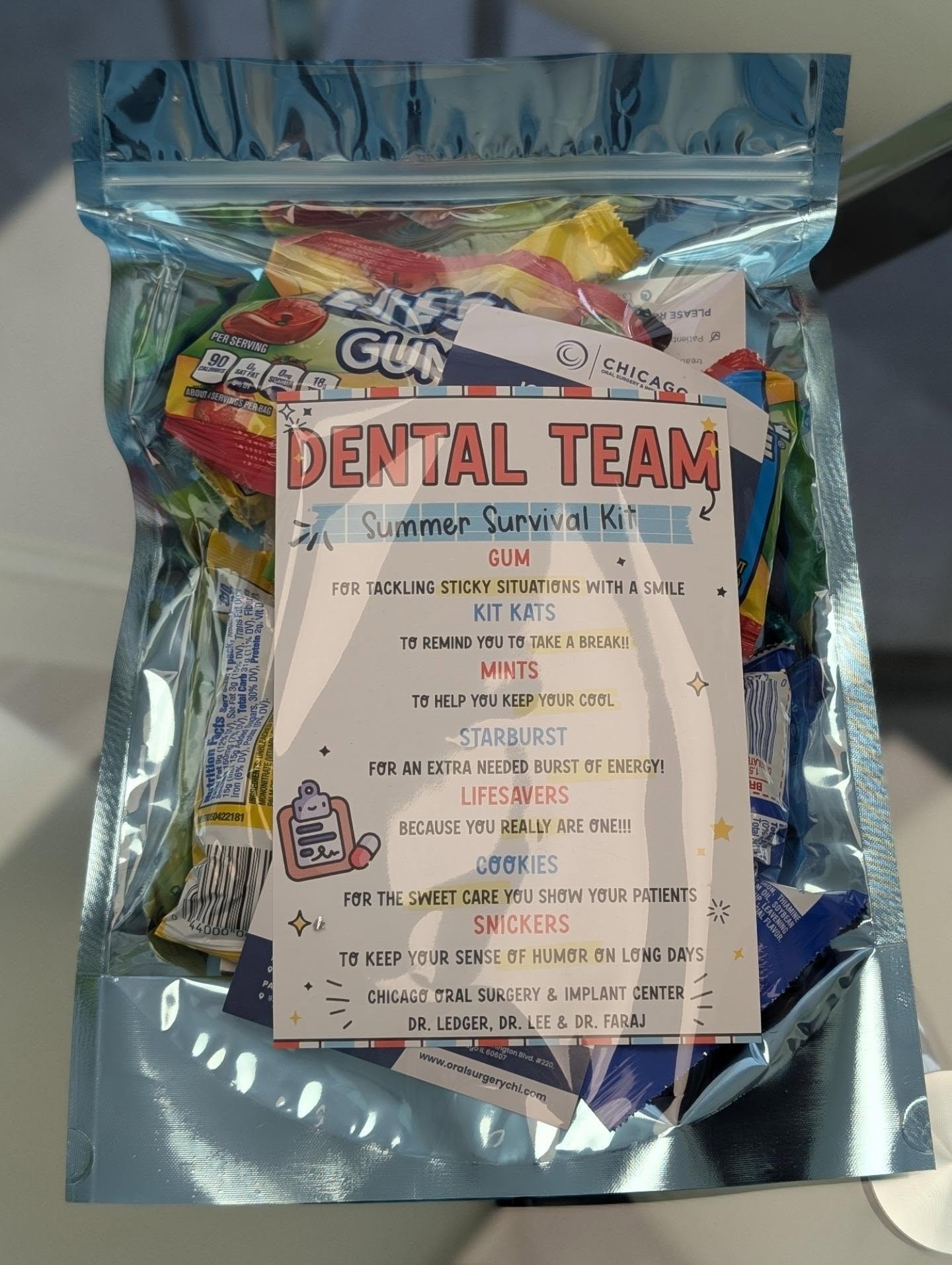
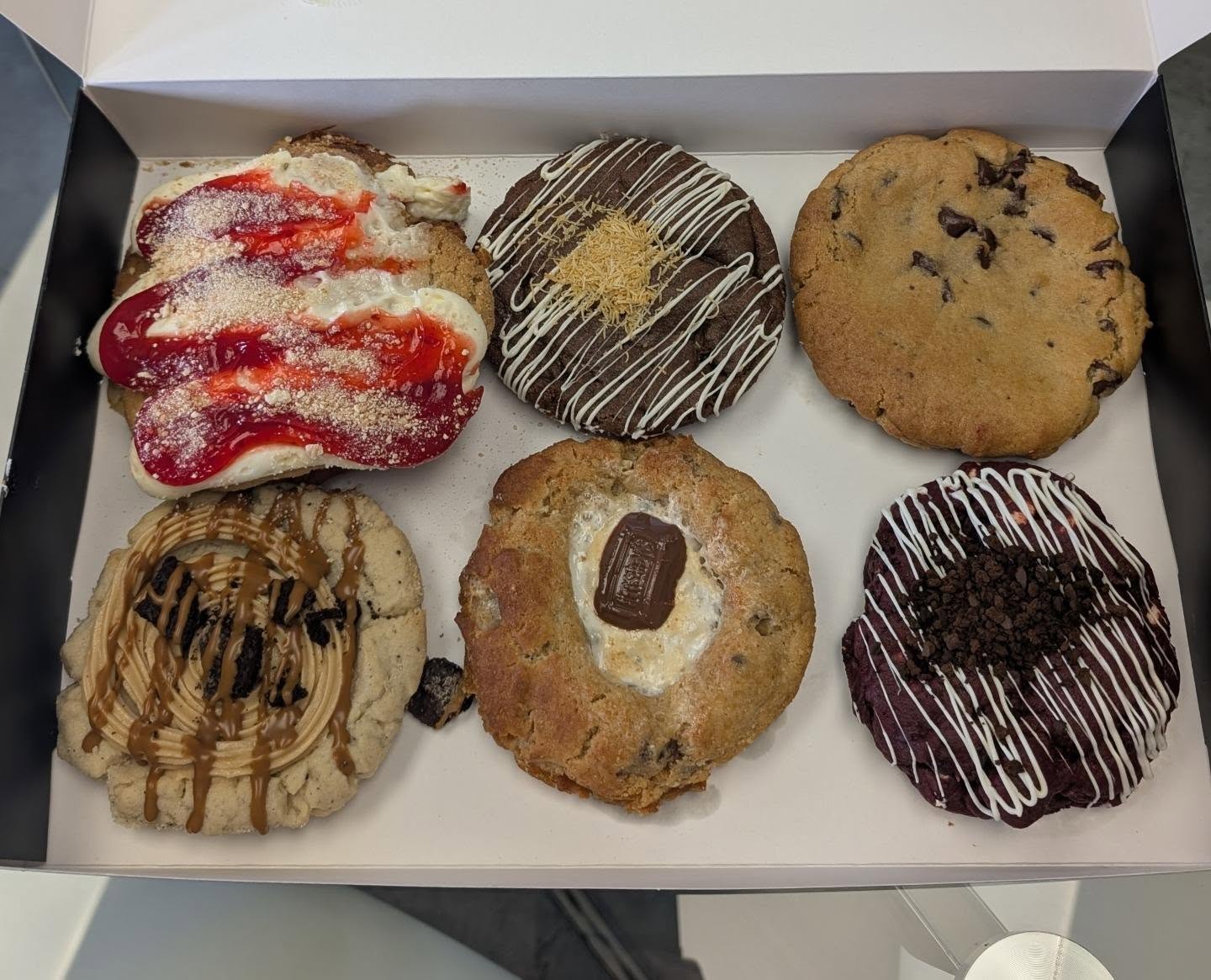
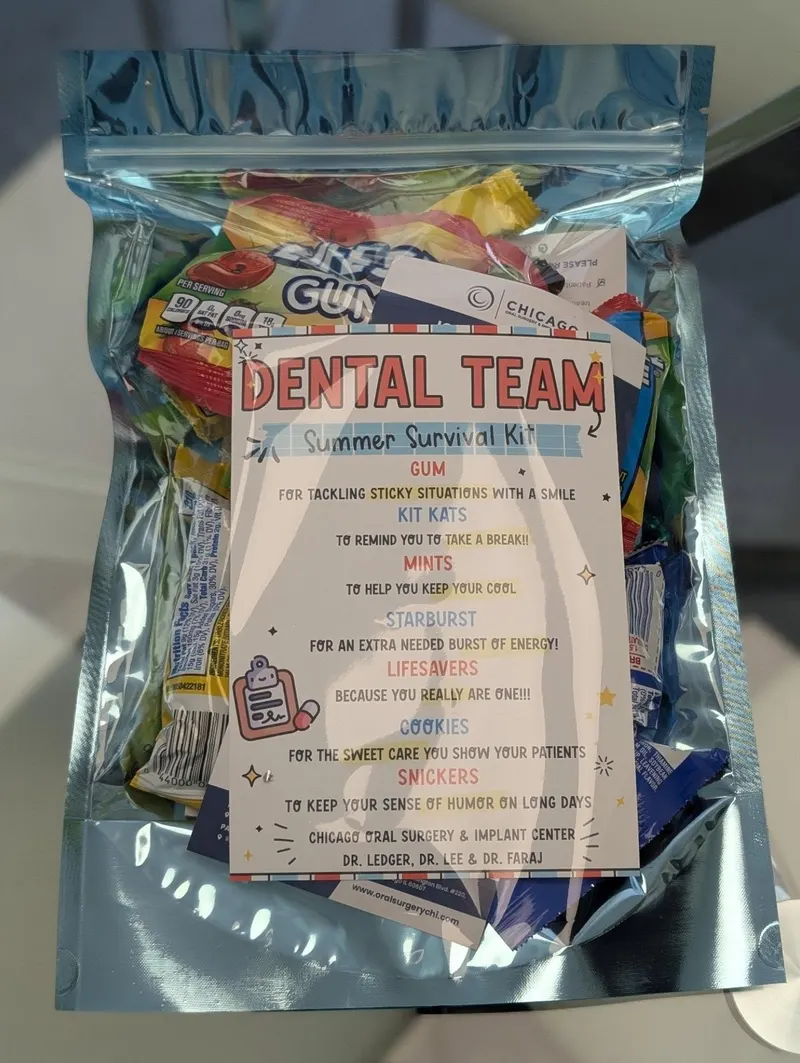
Thank you for the treats! 😊 We love working with...
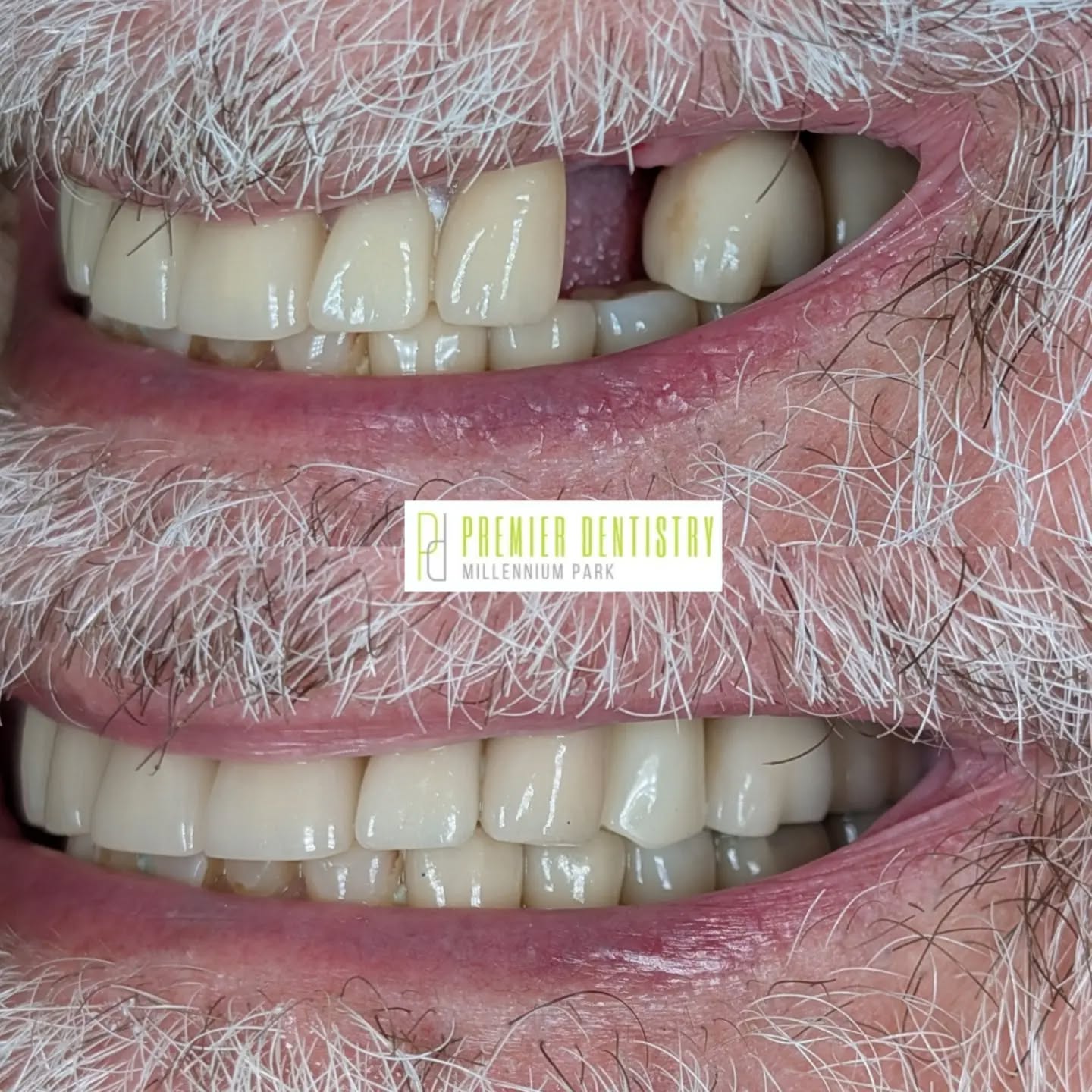
New implant crown 👑 Like nothing ever happened!...
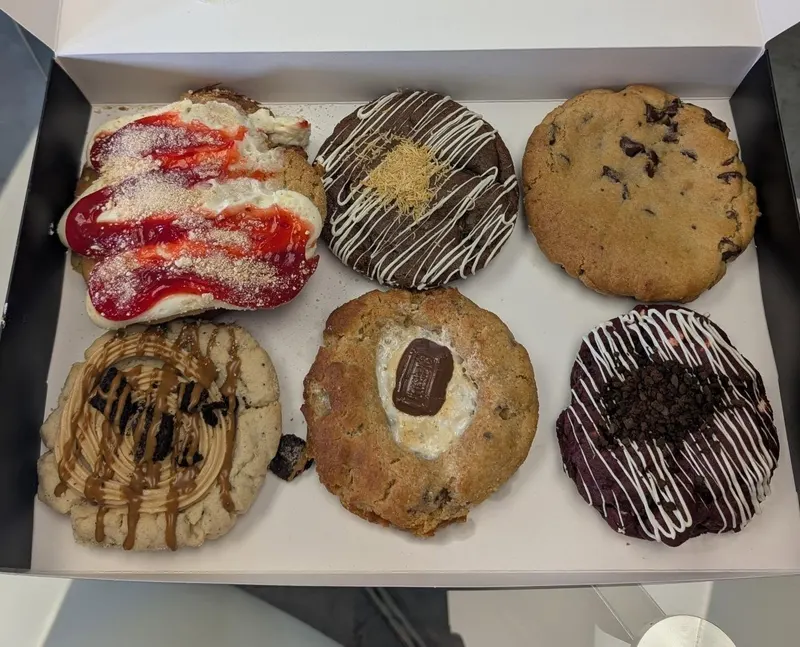
We love our specialist partners! Thank you for the...
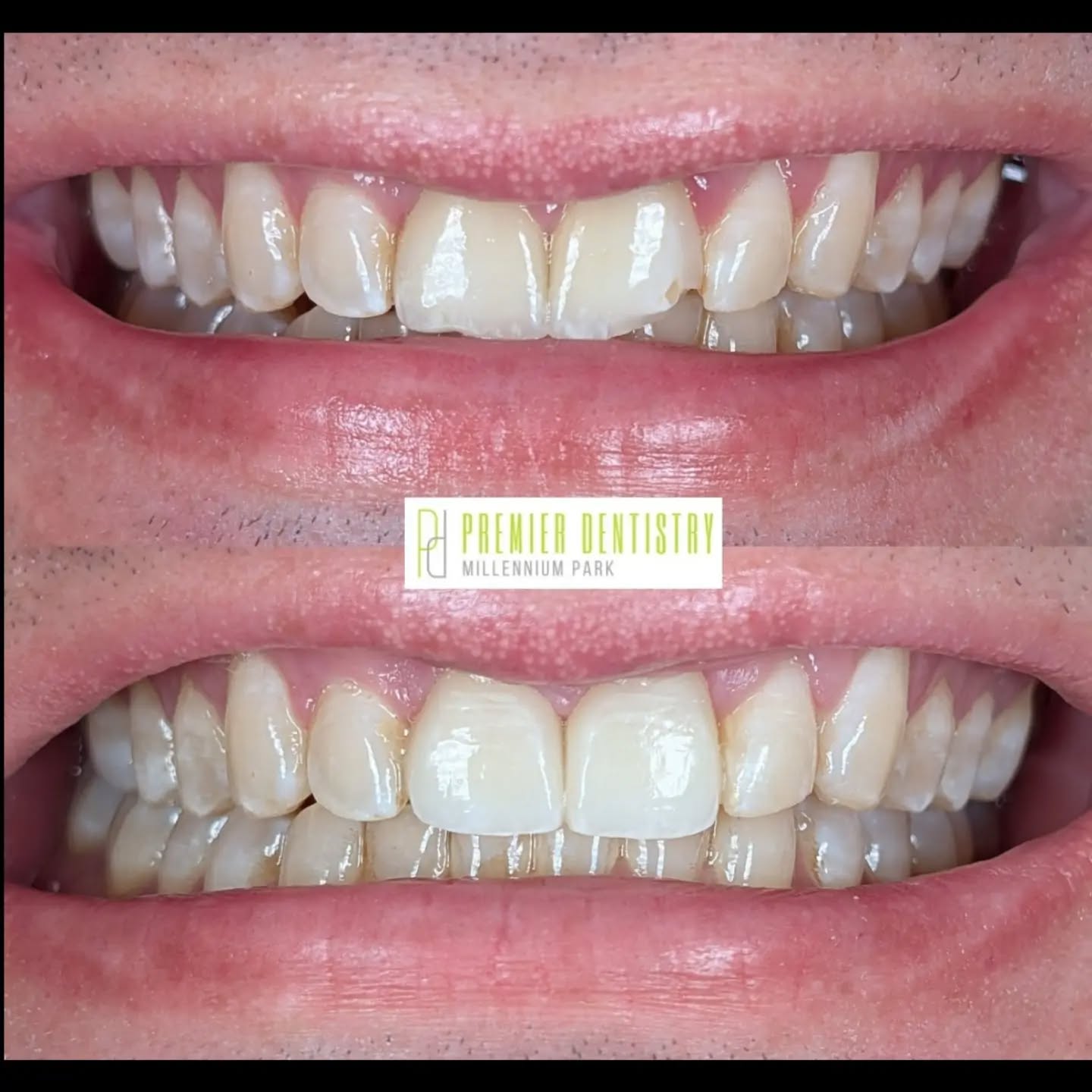
Smile transformation by replacing only two broken...
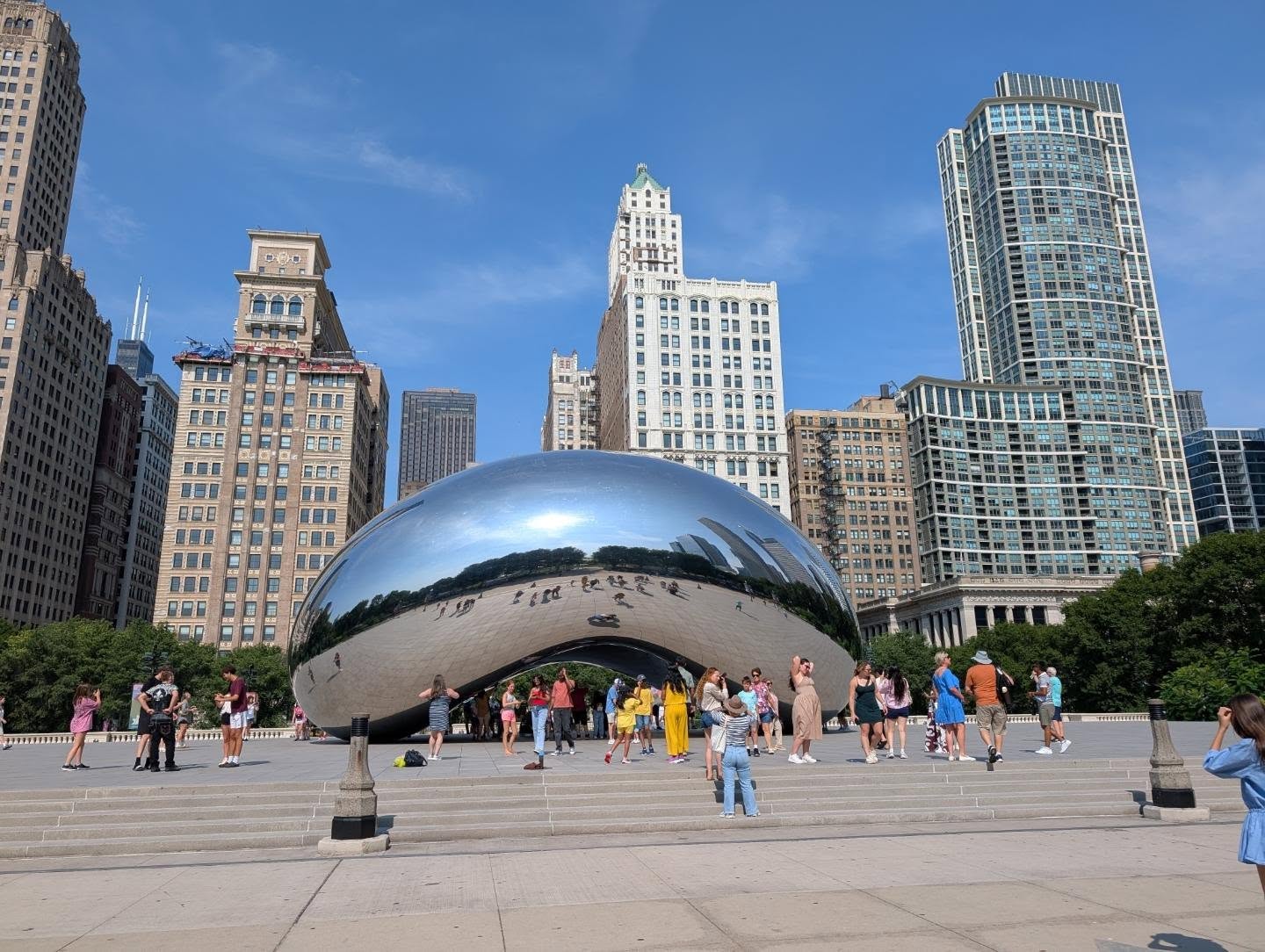
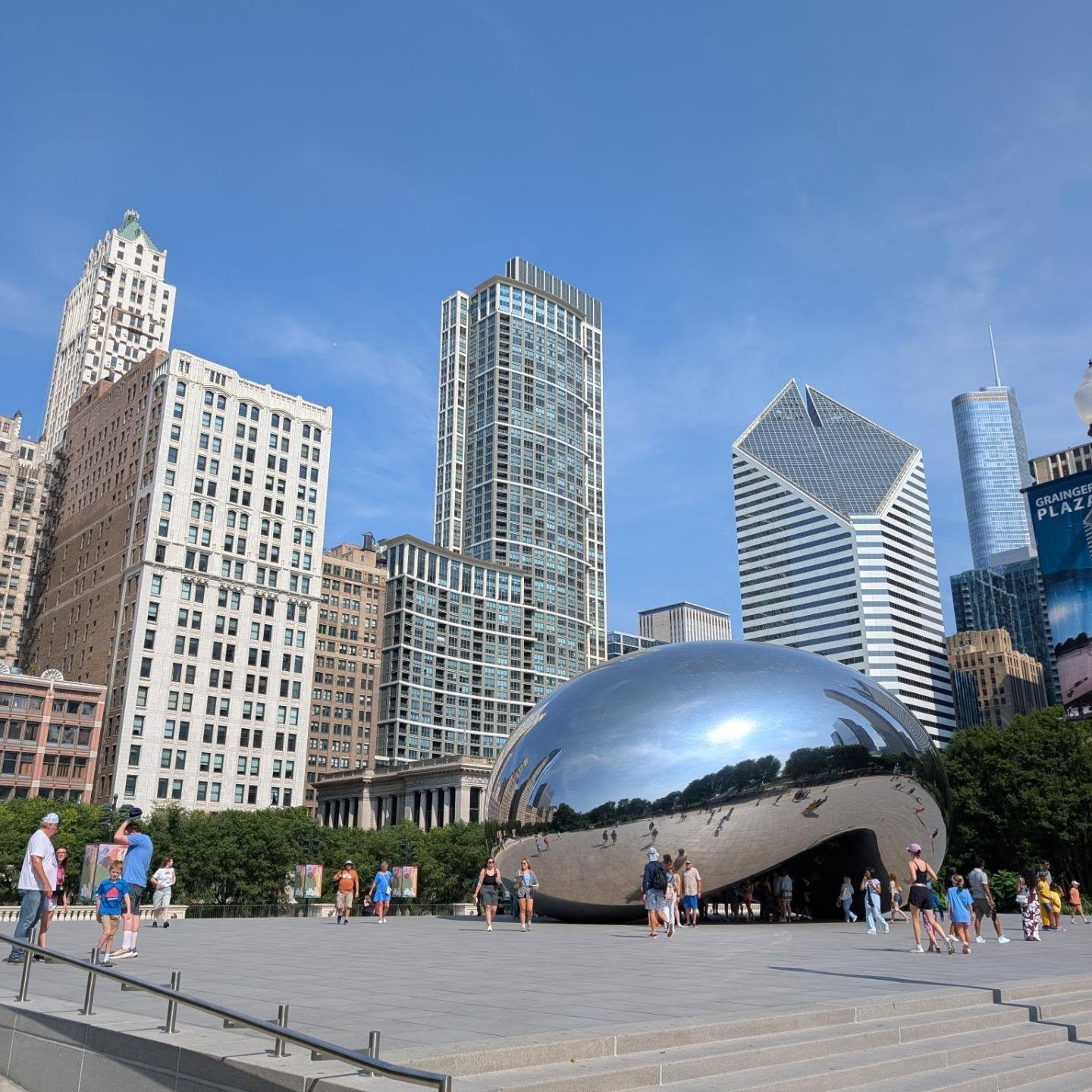
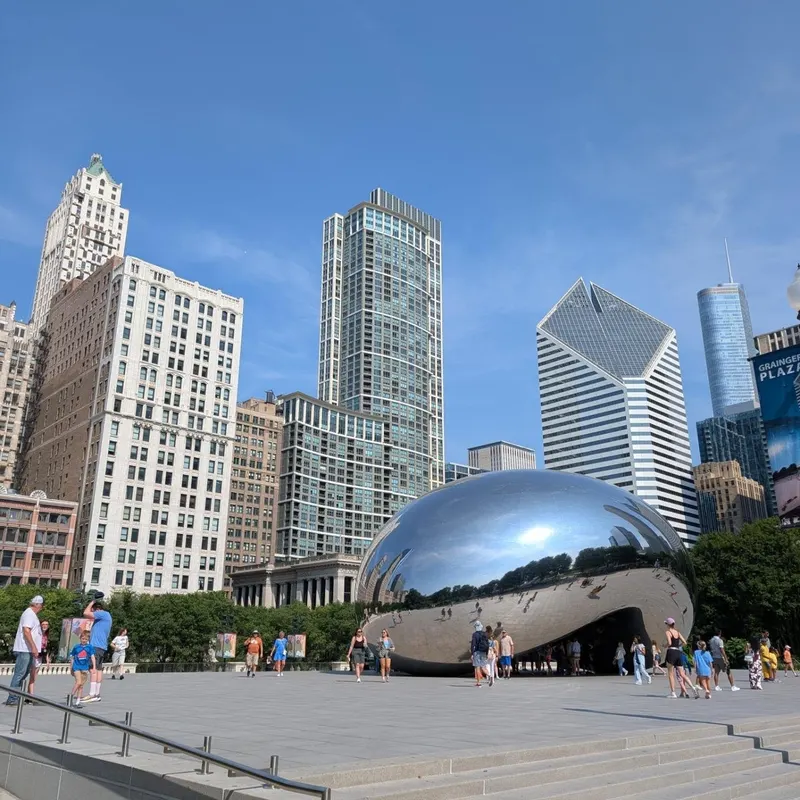
Summertime in Chicago! Stop in for a visit! 😄
Aug
17
Nobody jumps for joy when we tell them they have a cavity. We get it. Life's busy. You've got work, family, and a million other things competing for your attention.…
Read MoreJul
16
You might come in for a routine cleaning, and we end up asking about your sleep. Not because we're being nosy. Because your mouth tells us more than you might…
Read MoreJun
15
You'd love a brighter smile. But the last time you tried whitening strips, you spent the whole week wincing every time you drank something cold. Or maybe you've never even…
Read More