
You might come in for a routine cleaning, and we end up asking about your sleep. Not because we’re being nosy. Because your mouth tells us more than you might expect. And sometimes, what we see points to a condition that has nothing to do with your teeth: sleep apnea.
At Premier Dentistry in downtown Chicago, Dr. Nechama Brand looks at more than just cavities during your exam. We look at the whole picture. And sleep apnea is one of those conditions we catch surprisingly often.
What is Sleep Apnea?
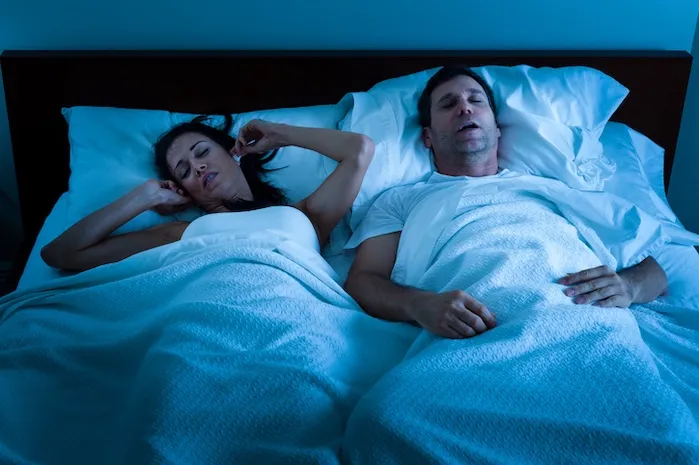
Sleep apnea is a disorder where your breathing repeatedly stops and starts during sleep. The most common type is obstructive sleep apnea. That means your airway partially or completely collapses while you are asleep, cutting off your oxygen.
Your brain jolts you awake just enough to start breathing again. You might not even remember it happening. But it can happen hundreds of times a night.
The result is that you are exhausted during the day. Your heart works harder. Your body never gets the deep rest it needs.
What We See in Your Mouth
Here is where dentistry comes in. Sleep apnea leaves clues in your mouth, and we know exactly what to look for. Understanding how a dentist can spot sleep apnea starts with knowing these signs:
- Worn teeth. If you grind your teeth at night, it is often because your body is trying to open your airway. The grinding forces your jaw forward, which creates more space to breathe. Over time, that wears down your enamel in very specific patterns.
- A scalloped tongue. Take a look at your tongue in the mirror. If the edges look wavy or scalloped, it could mean your tongue is pressing against your teeth while you sleep. That happens when your tongue falls backward into your airway.
- Dry mouth. People with sleep apnea often breathe through their mouth at night. That dries out your oral tissues, which we can see during an exam.
- A small or crowded airway. During an oral exam, we can see your throat and the back of your mouth. Enlarged tonsils, a low soft palate, crooked teeth, or a small jaw are red flags.
- Gum disease or inflammation. People with sleep apnea are more likely to have gum disease. The inflammation from poor sleep may contribute to oral health problems.
- Teeth clenching or jaw tension. If you wake up with a sore jaw or headaches, that could be a sign of sleep apnea. Your body may be clenching your jaw to keep your airway open.
Why Sleep Apnea Matters for Your Health
Sleep apnea is more than feeling tired; it’s a serious health condition. Untreated sleep apnea increases your risk of high blood pressure, heart disease, stroke, and type 2 diabetes. It affects your mood, your memory, and your relationships. Many people go years without knowing they have it.
That is why we take it seriously. When we see those signs, we bring it up. Not to scare you. To help you. This is a key reason how a dentist can spot sleep apnea is so important.
What Happens Next
If we suspect sleep apnea, we do not diagnose it ourselves. That is a job for a sleep specialist. But we can point you in the right direction.
We will ask you a few simple questions:
- Do you snore loudly?
- Do you wake up gasping or choking?
- Do you feel exhausted during the day?
- Has anyone told you that you stop breathing during sleep?
If you answer yes to several of these, we will recommend a sleep study. That is the only way to confirm sleep apnea.
Why See a Dentist for Mild to Moderate Sleep Apnea?
If you have mild to moderate sleep apnea, your dentist can offer an effective alternative to CPAP. Oral appliance therapy uses a custom-made device that looks like a sports mouthguard. It gently holds your lower jaw forward while you sleep, keeping your airway open and preventing breathing interruptions.
Major health organizations recognize oral appliances as a first-line treatment for mild to moderate sleep apnea. It is not just a workaround. It is a proven, evidence-based option.
Many people struggle with CPAP masks. They are bulky, noisy, and hard to get used to. An oral appliance is small, quiet, portable, and requires no electricity. For patients who cannot tolerate CPAP, it can be a great alternative.
Dentists like Dr. Brand are specially trained to provide oral appliance therapy. Dentists are also often the first to spot the signs of sleep apnea during a routine exam. They look for worn teeth, a scalloped tongue, or a crowded airway. If they see these clues, they can start the conversation and help you get the right diagnosis.
Your dental office is a familiar and accessible place to talk about sleep. If you snore, wake up tired, or have been told you stop breathing at night, mention it at your next visit. The solution to better sleep might be simpler than you think.
Don’t Ignore the Signs of Sleep Apnea
If you snore, wake up tired, or have any of the signs we mentioned, please talk to us. We’re not trying to diagnose you with something scary. We’re trying to help you feel better. Your mouth tells a story about your overall health. And sometimes, that story includes sleep apnea.
Concerned about your sleep? Call our Millennium Park office at 312-726-1901 or request an appointment online. We can help you figure out what’s going on.