
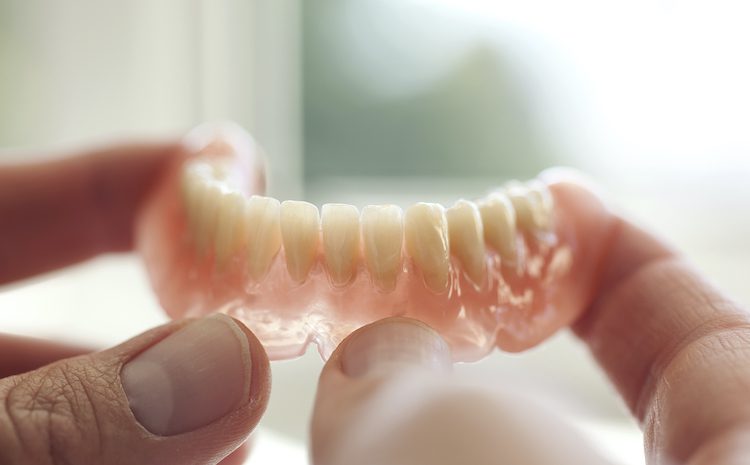
Dentures could dramatically improve your quality of life, restoring your smile, helping you chew properly, and supporting your facial structure. However, like any dental appliance, dentures don’t last forever. Over time, they may begin to show signs of wear or may no longer fit as comfortably or effectively as they once did. If you’ve had your denture for several years or have been experiencing issues, it may be time to consider whether you need a replacement.
Persistent Discomfort or Pain
One of the clearest signs that you need a new denture is if they are causing you ongoing pain or discomfort. Dentures are designed to fit snugly and comfortably, and if they start to cause sore spots, irritation, or general discomfort, this could indicate they no longer fit properly. This might be due to natural changes in your mouth and jaw structure over time or wear and tear on the dentures themselves. You may need a new denture to relieve pain.
Difficulty Chewing or Speaking
Dentures should restore your ability to eat and speak with relative ease. If you’re suddenly struggling to chew certain foods that were once manageable or find yourself slurring words or lisping, your dentures may be slipping or misaligned. A loss of function is a red flag that they’re not performing as they should. This can not only be frustrating but also affect your nutrition and confidence in social settings.
Visible Damage or Wear
Just like any well-used tool, dentures can develop cracks, chips, or worn-down areas over time. If your dentures have visible damage, even if it seems minor, it can compromise their structure and performance. Sharp edges can cause sores, and weakened areas can break unexpectedly. Even if the damage isn’t causing pain yet, it’s a good idea to consult with your dentist to see whether repair or full replacement is necessary.
Changes in Fit or Frequent Slippage
Over time, the shape of your mouth and gums naturally changes, especially if you’ve lost teeth. Bone resorption, which occurs after tooth loss, causes the jawbone to shrink and change shape. As a result, dentures that once fit perfectly can become loose or start slipping when you talk or eat. If you’re using more adhesive than usual just to keep them in place, or you’re finding it hard to keep them secure, a new denture that better fits your current anatomy may be required.
Bad Odors or Persistent Stains
Despite your best efforts at cleaning, older dentures can develop stains, plaque buildup, or persistent odors that are hard to eliminate. These issues may indicate deep-set bacteria that regular cleaning can’t fully address. If your dentures no longer feel fresh and clean no matter what you do, it might be time to consider replacement to maintain proper oral hygiene and confidence.
Changes in Facial Appearance
Dentures do more than help you eat and talk. They also support your facial muscles and structure. If you’ve noticed sagging around the mouth, sunken cheeks, or changes in your overall facial appearance, your dentures may no longer be providing the support you need. This often happens when dentures are worn out or no longer fit snugly against the gums and jaw. Replacing them could restore that essential support and rejuvenate your appearance.
Time Since Your Last Replacement
Even if you’re not experiencing severe issues, dentures typically need to be replaced every five to seven years. Materials degrade, and the fit changes due to natural bone loss in the jaw. Regular dental checkups are essential to monitor their condition and ensure they’re still doing their job effectively. If it’s been several years since you got your dentures, it’s worth having them professionally evaluated.
Denture Care in Chicago, IL
At Premier Dentistry, we are dedicated to helping you maintain a full smile and complete bite. If you have multiple missing teeth or need extractions, a denture could help restore your quality of life. Contact our office today to schedule a consultation and learn more about your treatment options for tooth loss.