
Do you need to replace one or more missing teeth? Dr. Nechama Brand is your experienced implant dentist in Chicago, IL. She works with patients to get new teeth supported by dental implants, the most advanced tooth replacement option on the market right now.
Implants use titanium posts and tooth-colored crowns, bridges, or dentures that restore the look, feel, and function of your teeth. Dental implants are the only permanent tooth replacement option because they fuse with your jawbone.
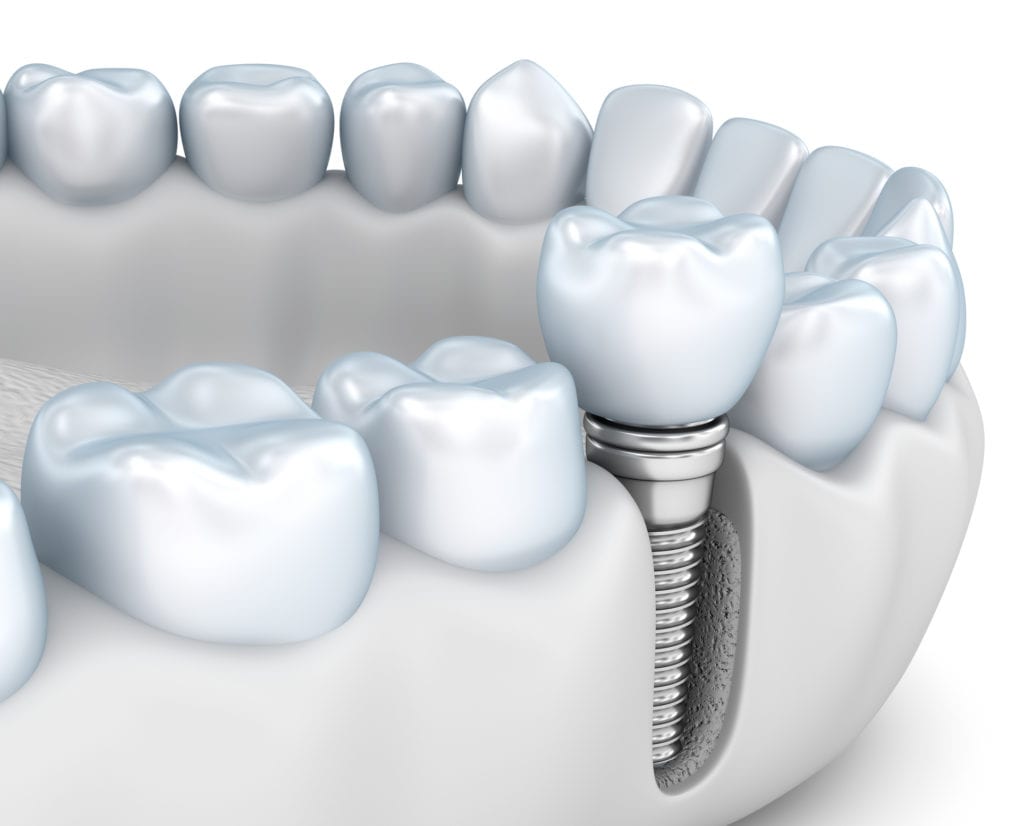
Why Should You Replace Missing Teeth?
Replacing missing teeth is an important step for keeping your mouth healthy. Missing teeth don’t just affect how your smile looks. Tooth gaps can also create spots where bacteria and food get trapped, which can lead to tooth decay and gum disease.
Missing teeth can also make it harder to chew and speak properly. Over time, this added strain can cause jaw pain or tension headaches. When you restore missing teeth, you protect your dental health and restore a full, healthy smile.
Implant Dentistry in Chicago, IL: The Superior Tooth Replacement Option
Implant dentistry is a branch of dentistry that focuses on the placement of dental implants. Dental implants are essentially artificial tooth roots. Our dental implant specialist surgically places them into your jawbone to replace lost teeth.
Dr. Brand has training and experience in the placement and restoration of dental implants, as well as other related restorative procedures. She can provide bone grafting and sinus lifts as part of implant treatment. We use advanced technology and techniques to ensure that our patients get the best possible results.
Are You a Candidate for Dental Implants?
Dental implants are an ideal choice for many people seeking permanent, natural-looking replacement teeth. However, not everyone is a candidate for dental implants. Some factors can affect your candidacy for this type of tooth replacement.
The 3 basic requirements to be a good dental implant candidate in Chicago include:
- Sufficient jawbone density
- Healthy Gums
- Good oral health
To replace a tooth with a dental implant, your remaining teeth, gums, and jawbone need to be in good health. You need enough gum tissue and bone growth around the implant area. We also recommend that you follow our aftercare and maintenance instructions to ensure long-term success.
Once we determine that dental implants are right for you, Dr. Brand will discuss your treatment plan options. You may need bone grafting, gum disease treatment, or tooth extractions to prepare your mouth for the implant procedure. The best way to see if you’re a candidate is to schedule a consultation with our implant specialists.
Patient Review
Dental Bridges vs. Dental Implants
Another restorative option available to patients with missing teeth is dental bridges. While effective, bridges don’t offer the same benefits as dental implants. The bridge hardware is all external and relies on the support of your surrounding teeth to hold the prosthetic tooth in place.
This means that you’ll need to take extra oral hygiene precautions with dental bridges. Bridges also have certain dietary restrictions.
Avoid the hassle of traditional dentures or bridges. While a dental bridge may have a lower initial cost, its main benefit is often just cosmetic. Dental implants are the only tooth replacement option that fully restores your ability to eat, speak, and smile with the same natural feel as your original teeth.
Fortunately, we also provide implant-supported prosthetics. To learn more about our high-quality dental implants, visit:
- What are Dental Implants?
- All-On-Four Implants
- Benefits of Dental Implants
- Single Tooth Dental Implant
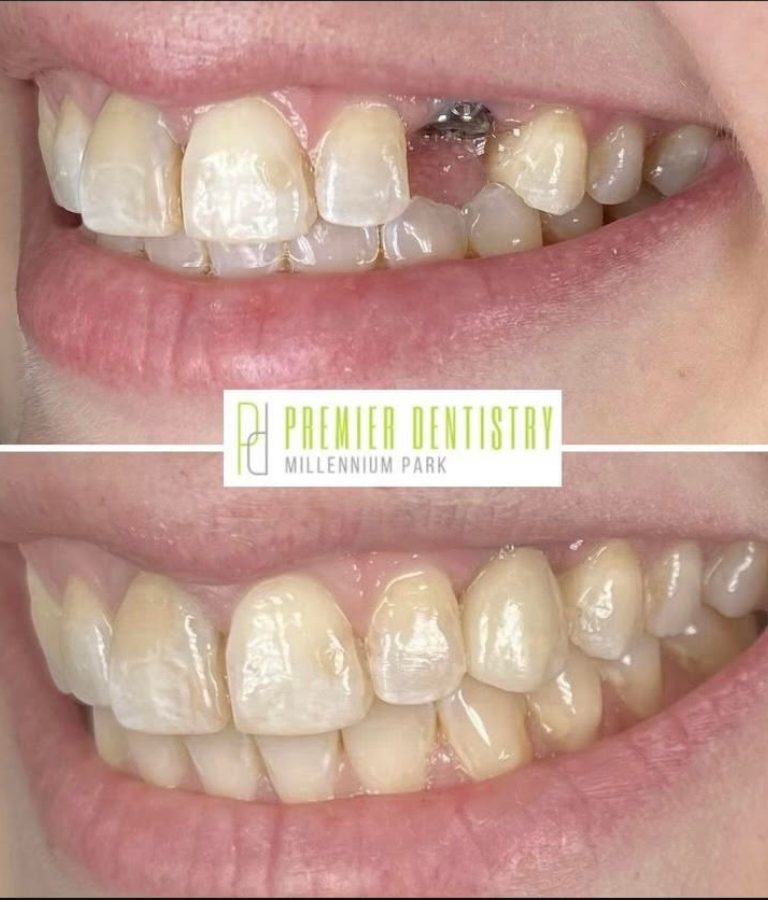
Dental patient before and after getting a dental implant in Chicago IL at Premier Dentistry at Millennium Park.
Dental Implants Can Last You A Lifetime with Care
With proper care, dental implants can last for decades, or even a lifetime. Be sure to schedule regular dental checkups, so Dr. Brand can examine the integrity of your dental implants. You also must be committed to a good oral hygiene routine.
The best way to maintain your dental implants is to brush your teeth and floss at least twice a day. Plaque can adhere to dental porcelain as well as natural teeth. Brushing with fluoride toothpaste twice a day and flossing at least once a day removes plaque.
Soft-bristled toothbrushes are best for implants. Dr. Brand may also recommend interdental brushes or water flossers to help you thoroughly clean between your new teeth.
Frequently Asked Questions
Do you want to learn more about implants and whether they’re right for you? We’ll answer some of the most common questions about dental implant treatment in Chicago, IL.
How long does the dental implant process take?
On average, the dental implant process usually takes 3 to 9 months. After the implant surgeon places the post into the jawbone, you need to heal for 3 to 6 months for the bone to fuse with the implant.
After this, Dr. Brand will add an abutment and then the restoration, which might take additional appointments. The exact timeline can vary based on how quickly you heal and if you need preparatory procedures. Some cases may take up to a year to complete.
How many teeth do you need for dental implants?
You usually need enough healthy jawbone and space for at least one implant. Each implant can support one or more teeth. For a single tooth replacement, you’ll need one implant.
If replacing multiple teeth, you might need a few implants to support a bridge or even a full set of dentures. Dr. Brand or your implant surgeon will help you choose the plan for your needs.
Can I get a dental implant years after losing a tooth?
Yes, you can get a dental implant years after losing a tooth. However, the jawbone where the tooth was might have shrunk over time. In such cases, you might need a bone graft to strengthen the area before placing the tooth implant. Dr. Brand will evaluate your jawbone to determine the best approach.
How much swelling is normal after a dental implant?
Some swelling after a dental implant is normal, but usually peaks within 48-72 hours. It should gradually decrease over the next few days. To manage swelling, apply an ice pack to the outside of your cheek for short periods during the first day. Call Dr. Brand if swelling continues beyond a week or gets worse.
Does plaque build up on implants?
Yes, plaque can build up on dental implants, like on natural teeth. Harmful bacteria can cause an inflammatory condition affecting the tissues surrounding the implant. Even if you have dental implants, you should regularly have dental exams and have them cleaned. Professional cleanings will also help keep your implants healthy and free from plaque.
Can you get dental implants with severe bone loss?
Yes, you can still get tooth implants with severe bone loss, but you might need pretreatments first. Bone grafting is a common solution, where we add new bone to build up the jawbone. This provides a solid foundation for the tooth implant.
Another option is to use zygomatic implants, which anchor into the cheekbone. Dr. Brand will look at the condition of your mouth and recommend the best approach.
Schedule An Implant Consultation Today
Do you need to replace missing teeth? Call Premier Dentistry at 708-729-9498. You can also schedule an appointment online with our team and learn more about our dental implant options. We also provide other tooth replacement options and prosthodontics! Serving Millennium Park, River North, Ukrainian Village, Streeterville, and the Chicago Loop.